There is no single universal floor that will be the best choice for every buyer. When buying an apartment, the decision depends on your daily habits, your family's needs, and what you give priority to. Whether you have small children, how often you will use the elevator, whether a panoramic view matters, and so on.
Each floor has its own advantages and limitations. Low floors make daily movement easier. Entering the home, bringing in furniture, or moving around with a stroller takes less time and effort. Middle floors are often seen as a balanced option, while the top floor offers residents more natural light, a wide view, and quiet.
If you plan to buy an apartment in a complex under construction, you should give this question even more weight, because at the early stage of the project you can choose the best option for you by the view you want, the direction of the sun, and the price.

The Low Floor: For Whom Is It the Best Choice?
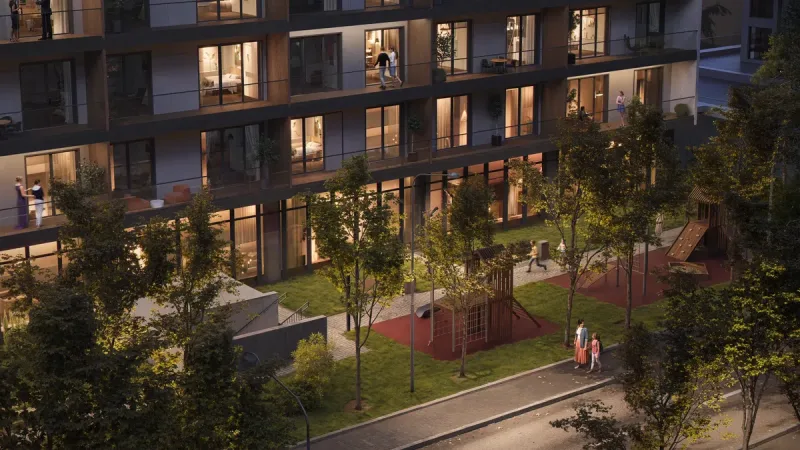
An apartment on a low floor is a practical choice for those who place special value on daily comfort. In this case dependence on the elevator is minimal, which is felt most during a temporary power outage, technical work, or an elevator breakdown. Moving by stairs is not a problem, so a low floor is often convenient for elderly people, families with children, and those who need to move around daily with a stroller or a bicycle.
This choice also comes with certain particularities. Because of the proximity to the street, the noise of traffic, pedestrians, or activities in the courtyard is heard relatively more in the apartment, especially if the building stands on a main street. In terms of safety too, the first and second floors require more attention, though in modern residential complexes this issue improves significantly thanks to video surveillance, concierge service, and controlled entrances.
Price is also one of the factors that draws many buyers to a low floor. In projects of apartments under construction the lower floors usually cost relatively less, because prices rise gradually along with the floor. So if your main priority is functionality, easy movement, and an efficient distribution of the budget, a low floor may turn out to be the most sensible choice.
A Practical Solution for Various Needs
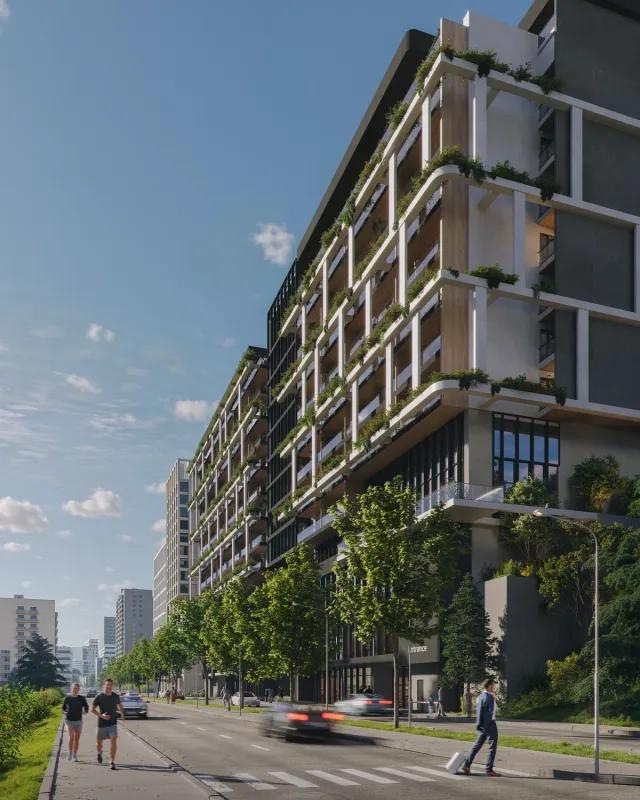
The middle floor is often considered the most universal option, because noise coming from the street is already heard less here and, when needed, moving by stairs is relatively simple, which is why in the case of apartments under construction demand for middle floors is usually the highest.
In terms of view and natural light too, middle floors often create favorable conditions, especially when the surrounding buildings do not block the view from the balcony. In addition, since these spaces border neither the roof nor the foundation, they are protected from the direct impact of external climatic factors, which ensures temperature stability in the home. As a result, the engineering systems, both for heating and cooling, operate under lower load.
For this reason, if you plan to buy an apartment for a family, the middle floor is often the most practical choice. It is high enough that street noise, dust, and heavy traffic are felt less, yet it is not so high that daily movement depends on the elevator alone. Another important advantage is that such apartments usually hold their value well, and in the future both selling and renting are relatively easy.
An Apartment on the Top Floor: The View Advantage and Technical Factors
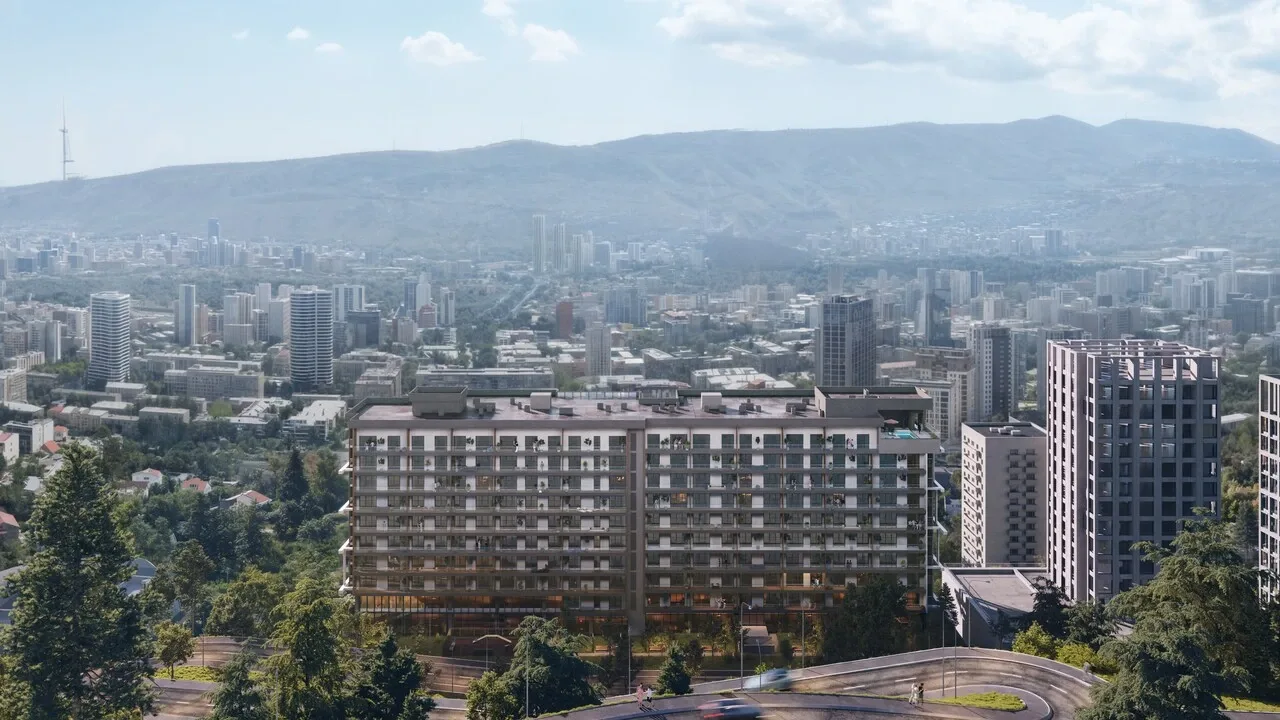
An apartment on the top floor stands out with one of the clearest visual advantages: an open horizon, more natural light, and less noise from the street. Height often creates the feeling that the space is freer, which is especially valued in busy districts of the city. For this very reason, apartments under construction on the top floor are often among the most in demand and, accordingly, among the options priced higher.
Along with these advantages, attention should also be paid to several technical factors. The top floor is located directly beneath the roof, so the building's thermal insulation, waterproofing, and ventilation system have a significant impact on the comfort of the home. In modern projects, where these solutions are carried out to a high standard, the temperature difference between seasons is usually minimal. The difference is felt more in old or low-quality buildings, where, because of insufficient insulation, in summer the apartment may heat up more, while in winter heat loss may increase.
Another matter is the proper working of the elevator, because its temporary disruption affects residents on the upper floors most of all. The technical condition of the roof is also decisive: the quality of the waterproofing, the water drainage system, and its regular maintenance. So before buying an apartment, it is important not only to assess the view and location, but also to study the building's technical documentation in detail and to consider the developer's experience with similar projects.
What Factors Lie Behind the Price Difference?
If you compare the prices of apartments on different floors within the same project, you will almost always find a difference. In reality, this difference rests on a combination of several specific factors. When forming the price, developers are usually guided by three main criteria: the technical characteristics of the floors, the view, and the quality of the light. So when there is a 3 to 5 percent difference between two neighboring floors, this does not automatically mean that one is better than the other. In many cases, this difference reflects how the market values a particular floor within a given project.
When assessing the price, it is also important to distinguish whether this added value rests on a real advantage or only on market demand. For example, if an apartment on the top floor is more expensive but a neighboring building blocks the view, the high price cannot always be justified.
From a practical standpoint, the value of a floor should not be assessed by the starting price alone. It is important to compare the price per square meter, weigh the advantages, and think about how well it matches your goal. If you are buying an apartment for your own living, the main question is how much the difference between floors will affect your daily comfort. And if you are choosing an apartment for investment purposes, you should pay attention to which floors have the most stable demand in the case of renting and later selling. Often it is this very factor that determines how well a particular choice will pay off in the long term.
Frequently Asked Questions (FAQ)
On which floor should we buy an apartment?
There is no single specific answer to this question. Middle floors are considered the most balanced option because of the ratio of noise, view, and price; low floors are the most convenient in terms of movement; while apartments on the top floor offer the buyer more intense natural light and panoramic views.
Is it true that an apartment on the top floor is hot in summer and cold in winter?
In modern apartments under construction, this issue is almost fully resolved thanks to quality thermal insulation. The multilayer roof protection effectively blocks direct sunlight and climatic changes, ensuring stable indoor temperature.
What are the advantages and disadvantages of a corner apartment regardless of the floor?
Corner apartments often stand out with more intense natural light and better air circulation, because the windows face several sides. This makes the space visually larger and wider, yet such apartments have more external walls, which may affect energy efficiency, especially in old buildings.