In the real estate market, buying an apartment before construction is complete is a common investment practice. Buyers often make this decision because of the price difference and flexible payment terms. Buying investment apartments at an early stage of construction allows an investor to acquire property at a relatively low price and, once the building is completed, consider selling it at a higher price or renting it out.
The price of investment apartments can change considerably, especially when a project moves to a new stage and the completion date draws closer. At this point, the final look of the project, the living environment and the infrastructure become more visible, and this is almost always reflected in the interest of potential buyers and tenants as well.
But how well does this decision pay off in practice, what specific financial gain does buying an apartment under construction bring, and what details should an investor check before paying any money?
Why Do People Buy Investment Property at the Construction Stage?
The first and main reason is the variety of choice. At the early stage of construction, most of the apartments for sale in a complex are still available, so an investor can select the preferred floor, view, layout and orientation. These features may later determine how quickly the apartment is rented out or sold. The situation is different in already completed complexes, where most of the in-demand options have usually been sold and the choice among the remaining apartments is limited.
The second factor is the technical condition of a new building. An apartment bought in a complex under construction is handed over to the owner with new utility connections, elevators and engineering systems. As a result, the owner does not have to budget for replacing old installations, repairing existing damage or modernizing the building. A new building and modern engineering systems can also be an advantage for potential tenants.
The third reason relates to investment portfolio management and capital allocation. Real estate is a physical asset that investors often hold alongside other financial instruments. In this case, investment apartments become part of a long-term strategy: the owner can rent the property out, sell it later depending on changes in its market value, or keep it in their possession for a long period.
How to Choose Investment Apartments: Size, Layout and Complex Infrastructure
When choosing investment apartments, an investor should set personal taste aside and think about the needs of the people who will rent or buy the apartment in the future. In general, apartments of different sizes are aimed at different target audiences. Smaller apartments require a lower initial investment and mostly appeal to couples. Mid-sized apartments meet the needs of small families, while larger apartments usually attract buyers and tenants who need several bedrooms and a separate shared living area.
As for the layout, it is often just as important as the size of the apartment. Two apartments of the same size can differ considerably in how functional they are, depending on how the space is divided between the bedrooms, the living room and the kitchen. When assessing a floor plan, pay attention to the proportions of the rooms, the number and placement of windows, the location of the bathrooms and the availability of storage space. An open-plan living room and kitchen may suit one type of tenant, while separate rooms may well prove to be the better option for families. It is also worth considering how easily the apartment can be furnished and how much additional construction work will be needed during renovation.
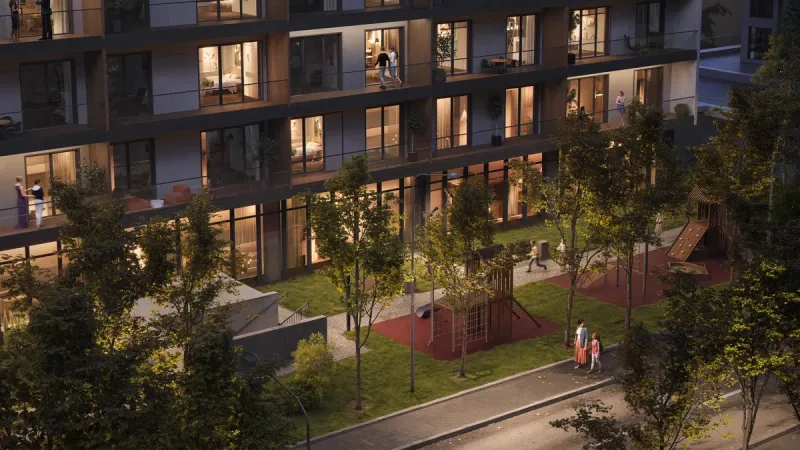
Once you have assessed the size and layout of the apartment, it is important to look at the environment and infrastructure of the residential complex itself. Pay attention to the number of parking spaces relative to the total number of apartments, the landscaping of the courtyard, play areas for children, the security system and the terms of the complex's management. It is also important to find out who will be responsible for maintaining the shared areas and how much the owner will have to pay in monthly fees.
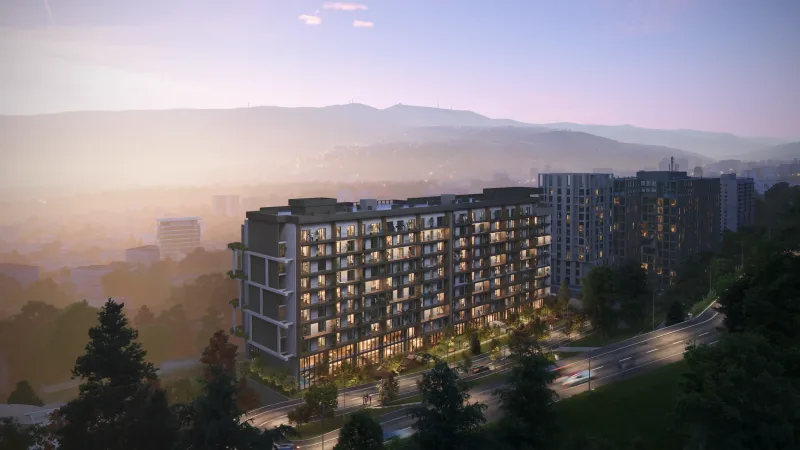
The location of the complex is another important factor to consider when choosing investment apartments. For example, a residential project in Lisi offers an interesting opportunity in this respect: it is close to both Lisi Lake and the city center, with green surroundings, shops and schools nearby. These are added advantages for families and for those who plan to rent an apartment long-term.
Renting or Selling: Which Strategy Pays Off for an Investor?
When buying investment apartments, one of the main questions is how the owner plans to earn income. The choice usually comes down to two strategies: renting the apartment out and receiving regular income, or selling it later at a higher market value. If you rent it out, the property stays in the investor's ownership, and to estimate the expected return you should compare the annual rental income with the purchase price of the apartment. For a more accurate picture, deduct the complex's service fees, renovation and furniture costs from this income, and account for the periods when the apartment has no tenant. When buying an apartment under construction, you also need to factor in the time remaining until completion, since you will only be able to earn income once the apartment has been handed over and properly prepared.
With the selling strategy, the apartment is bought at a relatively low price at an early stage of construction, and the owner then aims to sell it at a higher price once the project is completed or later on. This way, the investor does not have to deal with the practical side of renting, but the final result depends on demand in the real estate market. Taxes, agent commissions and competition in the market at the time of sale also need to be taken into account.
In this respect, a reliable real estate developer is another key prerequisite. The developer's reputation, completed projects and track record of meeting its obligations help an investor better assess the future prospects of the purchased property.
In general, an investor can, of course, also use both strategies one after the other: rent the apartment out for a certain period and then sell it, depending on market prices and demand at the time.
Buy Investment Property at the Construction Stage
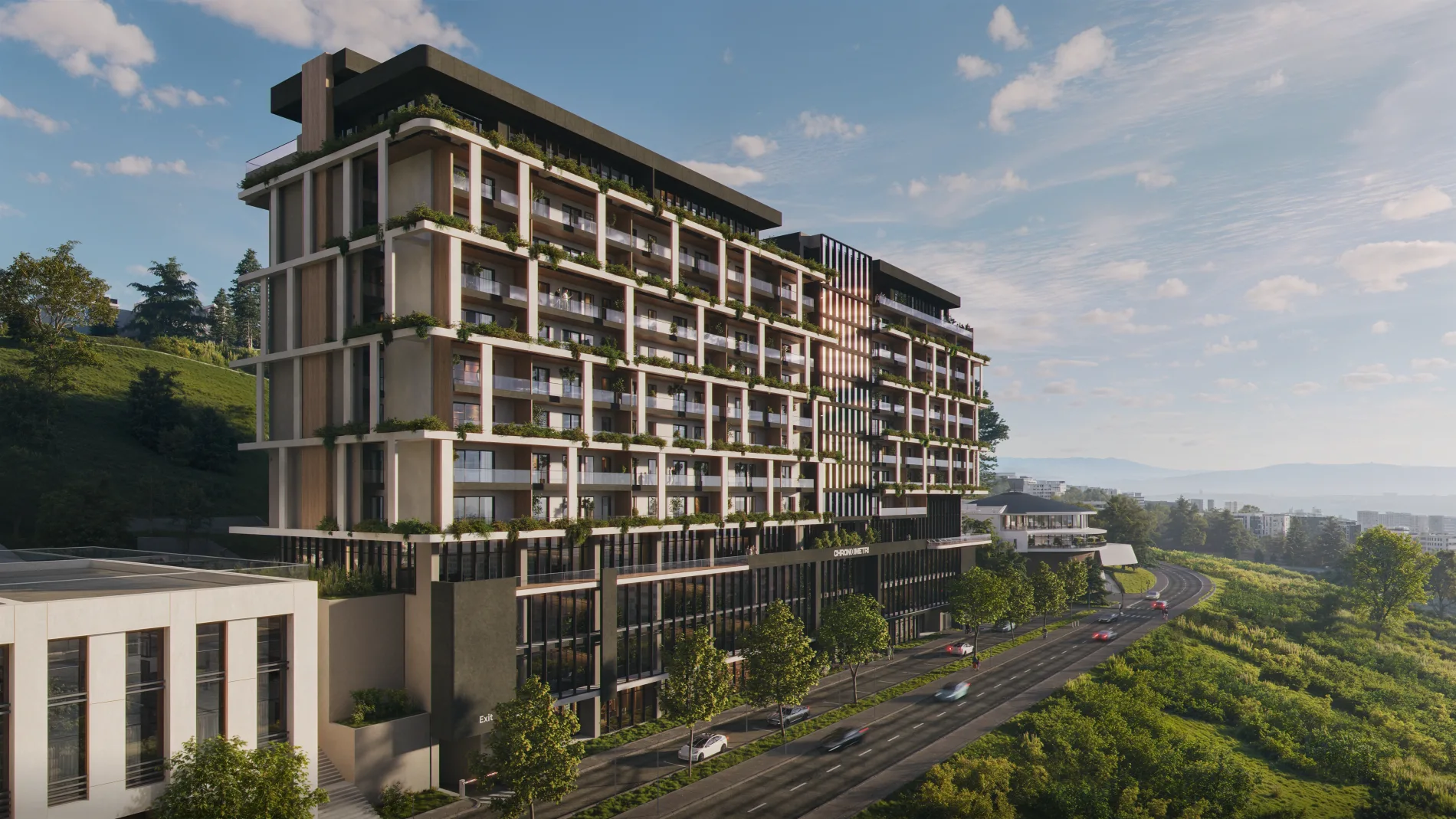
If you are planning to buy investment apartments, the Chronometri project in Lisi is one of the options that truly deserve your attention. This residential complex will be of interest to anyone considering investing in Tbilisi real estate and earning income by renting out or selling the property in the future. On our website, you will find the available apartments with their sizes and floor plans, along with information on purchase terms and the construction completion date.